
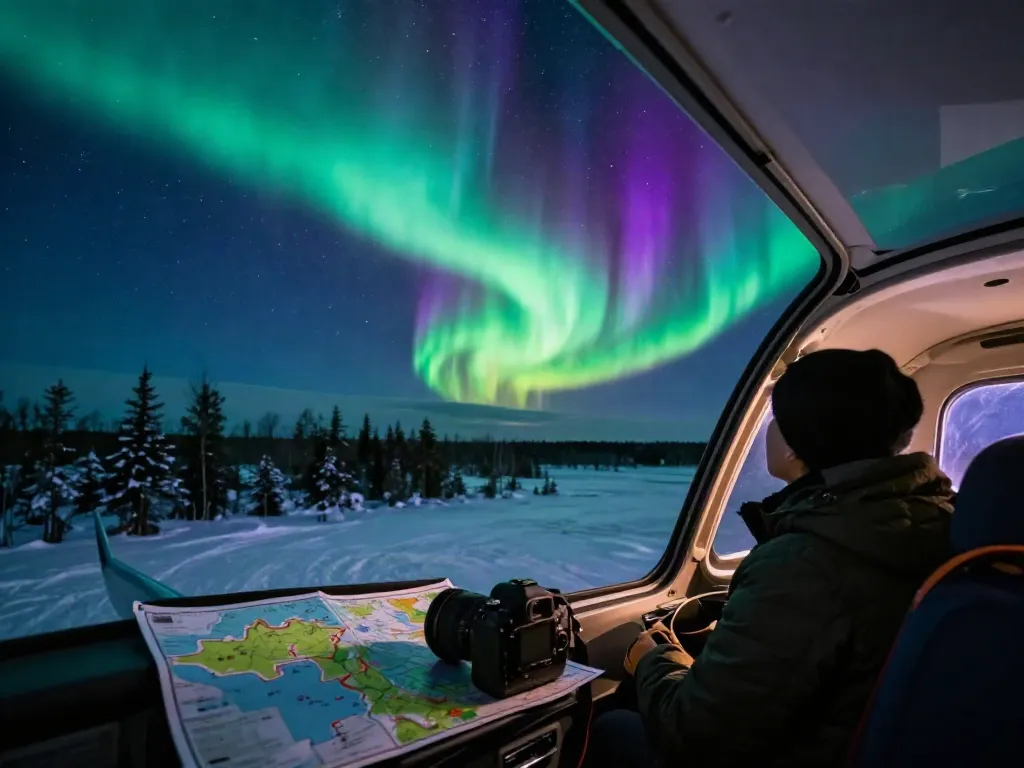
Understanding Northern Flights in Ontario
Northern flights in Ontario open the door to some of the most breathtaking natural phenomena on the planet, particularly the mesmerizing display of the Northern Lights. This phenomenon, also known as the Aurora Borealis, captivates travelers and nature enthusiasts alike, creating a perfect blend of adventure and tranquility. Whether you're an avid sky-gazer or just looking for a unique trip, exploring Northern Ontario offers an array of experiences, from stunning landscapes to cultural insights. When considering your travel options, northern flights in Ontario provide an efficient way to access remote destinations that are ideal for viewing the Aurora Borealis.
What Are Northern Flights?
Northern flights refer to air travel routes that cater to regions situated in the northern parts of a country. In Ontario, these flights service destinations that often have limited accessibility by land, particularly during winter months when snow can obstruct roads. These flights are especially popular for tourists aiming to witness the Northern Lights, as they can transport travelers to prime viewing locations swiftly and comfortably.
Why Choose Ontario for Northern Flights?
Ontario is one of the best places in Canada to witness the Northern Lights due to its expansive wilderness areas, low light pollution, and a plethora of designated dark sky preserves. The northern regions of Ontario, including cities like Thunder Bay, Moosonee, and Kenora, provide optimal conditions for enjoying this natural spectacle. Moreover, Ontario's diverse landscape, including lakes, forests, and rugged terrain, enhances the beauty of the Aurora Borealis, making for an unforgettable experience.
Essential Tips for Booking Flights
- Book in Advance: Given the popularity of Northern Lights viewing, flights can fill up quickly, especially during peak seasons. Booking several months in advance can often secure better rates and availability.
- Flexible Dates: If possible, maintain flexibility in your travel dates. Midweek flights are often cheaper than weekend travel.
- Monitor Weather Conditions: The visibility of the Northern Lights is heavily influenced by weather conditions. Use weather forecasting services to plan your flight and viewing dates accordingly.
Best Destinations for Northern Lights Viewing
Top Spots for the Northern Lights in Ontario
When planning your trip, it's essential to know the most popular locations for seeing the Northern Lights:
- Yellowknife: Although not in Ontario, this location is often mentioned for its incredible Aurora displays. A nearby flight may be worth considering.
- Manitoulin Island: Known for its minimal light pollution, this island is an excellent spot for clear views of the night sky.
- Thunder Bay: This city offers several outskirts where it's possible to see the Northern Lights without urban interference.
- Algonquin Provincial Park: A gem for nature lovers, this park not only showcases the lights but also offers a range of outdoor activities.
Guided Tours vs. Independent Travel
Choosing between a guided tour and independent travel depends on your comfort level and interests. Guided tours often provide local expertise and may include additional experiences, such as photography workshops or organized campfires. However, for travelers seeking a more personal experience or those looking to explore at their own pace, independent travel may be the better option.
Timing Your Trip for Optimal Viewing
The best times to view the Northern Lights are typically during late fall and winter months when nights are longest. Opt for periods around the new moon when skies are darkest. Additionally, it is advisable to check solar activity forecasts, as the strength of the Aurora Borealis correlates with solar storms.
Challenges of Northern Flights in Ontario
Weather Considerations for Flight Safety
Weather can significantly impact flight safety in Northern Ontario. Snowstorms and severe cold can disrupt flight schedules and create hazardous flying conditions. It's vital to stay updated on weather reports and have a backup plan in case of cancellations or delays.
Flight Availability and Scheduling Issues
With limited airline options servicing remote northern areas, it's essential to be aware of scheduling issues. Flights may not run daily, so confirming flight availability before your trip is crucial to avoid any inconveniences.
Travel Regulations and Safety Tips
Keep in mind that traveling to Northern Ontario may involve specific health and safety regulations, especially in response to public health concerns. Carry essential documents and check any travel advisories before your departure to ensure a smooth experience.
Maximizing Your Experience in Northern Ontario
Activities Beyond the Northern Lights
While the Northern Lights are the main attraction, there is much more to enjoy in Northern Ontario. Activities such as ice fishing, snowmobiling, and hiking provide additional avenues for exploration and adventure.
Local Culture and Festivals to Explore
Engaging with the local culture enhances your travel experience. Many towns celebrate winter festivals featuring local food, crafts, and music. Participating in these events offers a unique glimpse into the region's heritage.
Best Accommodations for a Comfortable Stay
Finding comfortable accommodations is crucial for a rejuvenating stay. Northern Ontario boasts a mix of cozy lodges, hotels, and cabins, many of which offer magnificent views of the Northern Lights right from your doorstep.
Future Trends in Air Travel to Northern Ontario
Emerging Airlines and Routes in 2026
As air travel evolves, new airlines and routes are expected to emerge, making it easier to access Northern Ontario. Stay informed about any new carriers that may offer competitive pricing and improved services.
Technological Innovations in Flight Services
Technological advancements in air travel are continuously enhancing the passenger experience. Look out for innovations such as improved in-flight connectivity, enhanced booking platforms, and personalized travel services.
Predictions for Northern Lights Viewing Popularity
As more travelers learn about the beauty of Northern Lights, the demand for viewing opportunities will likely increase. This growing interest may lead to more flights and tours tailored specifically for Aurora seekers.
Frequently Asked Questions about Northern Flights in Ontario
What Are the Best Months to See Northern Lights?
The best months typically range from late September to early April, with peak viewing opportunities during December to March.
Are There Direct Flights to Northern Ontario?
While many flights may require a layover, airlines are continually adding direct routes as demand increases. Researching airlines that specialize in northern routes can be beneficial.
What Should I Pack for a Northern Lights Trip?
It’s important to pack warm clothing, including thermal layers, a hat, gloves, and sturdy boots. Additionally, bring a good-quality camera for capturing the Northern Lights.
How Do I Choose a Good Viewing Spot?
Look for areas away from city lights with clear, unobstructed views of the northern horizon. Using local guides or online resources can help identify the best viewing locations.
Can I See Northern Lights in Southern Ontario?
While it's rare to see the Northern Lights in Southern Ontario, there are occasions when they can be spotted during strong solar events. However, the best chances are in the northern regions.