
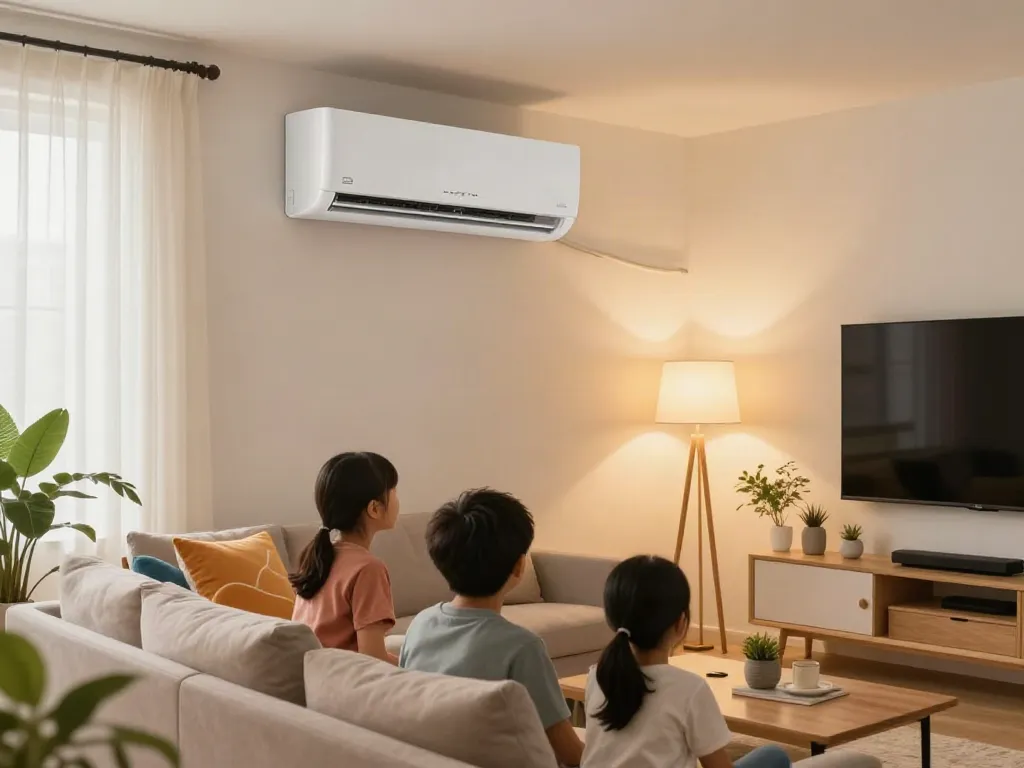
Understanding Mini Split Air Conditioners
In the realm of climate control solutions, mini split air conditioners have emerged as a popular choice for homeowners seeking efficient and versatile cooling options. Unlike traditional central air systems, these ductless units can be installed in various locations, providing targeted cooling where it’s needed most. With advancements in technology and design, understanding how mini split systems operate and their benefits can empower you to make informed decisions for your home comfort needs. When exploring options, mini split air conditioner systems offer unique advantages that traditional systems cannot match.
What is a Mini Split Air Conditioner?
A mini split air conditioner is a compact, ductless system that allows for both heating and cooling of residential or commercial spaces. The system consists of two main components: an outdoor compressor unit and one or more indoor units. This configuration enables precise temperature control with individual settings for each room, offering both flexibility and efficiency. Mini splits are particularly advantageous in situations where traditional ductwork is impractical or where homeowners wish to improve energy efficiency.
Benefits of Mini Split Systems
Mini split air conditioners offer numerous benefits, making them an attractive option for many homeowners:
- Energy Efficiency: Mini splits typically have higher SEER (Seasonal Energy Efficiency Ratio) ratings compared to central air systems, translating to lower energy bills.
- Zone Control: With multiple indoor units, homeowners can control the temperature in different areas of the home, optimizing comfort and energy usage.
- Easy Installation: Installation of mini split systems is less invasive than traditional systems, as they require only a small hole for the refrigerant line connecting the indoor and outdoor units.
- Quiet Operation: Mini splits operate at lower noise levels, providing a more peaceful indoor environment compared to window units or conventional systems.
Common Misconceptions About Mini Splits
Despite their growing popularity, several misconceptions about mini split systems persist:
- They are too expensive: While the initial cost may be higher than window units, the long-term energy savings often offset the initial investment.
- They can only cool small spaces: Mini splits come in various capacities, making them suitable for both small and large spaces.
- Installation is complicated: Many homeowners opt for professional installation, but some mini split models are designed for easy DIY installation.
Key Features to Consider When Buying
Investing in a mini split air conditioner requires a careful evaluation of several critical features that will impact performance and satisfaction.
Energy Efficiency Ratings Explained
The efficiency of a mini split system is primarily measured by its SEER rating. Systems with higher SEER ratings provide more efficient cooling while consuming less electricity, which can lead to significant savings on energy bills. Look for units with a SEER rating of 20 or above for optimal performance.
Noise Levels and Their Impact on Comfort
Noise levels vary significantly between different mini split models, with some operating as quietly as 19 dBa—the equivalent of a whisper. It’s essential to consider the noise level if the indoor unit will be installed in a bedroom or other quiet space.
Choosing the Right BTU Capacity
BTU (British Thermal Unit) capacity is crucial for ensuring adequate cooling. A unit that is too small will struggle to cool the space, while one that is too large will cycle on and off frequently, wasting energy. Calculate the required BTU by assessing the size of the room and factors such as insulation, sunlight exposure, and the number of occupants.
Installation Process: What to Expect
Understanding the installation process for mini split systems can help streamline the experience and prepare homeowners for the necessary steps.
DIY vs. Professional Installation: Pros and Cons
While many mini split systems can be installed by knowledgeable DIY enthusiasts, hiring a professional can ensure that installation is completed correctly and efficiently. Professional installers are familiar with local codes and can guarantee proper refrigerant handling.
Cost Considerations for Installation
Installation costs can vary widely depending on factors such as the complexity of the installation and the number of indoor units. On average, homeowners should budget between $1,500 to $3,000 for a professional installation of a mini split system. DIY installations can reduce these costs significantly but may require special tools and expertise.
Common Installation Mistakes to Avoid
To ensure a successful installation, avoid the following common pitfalls:
- Improper placement of indoor units, which can restrict airflow and reduce efficiency.
- Failing to accurately size the unit according to the room’s BTU requirements.
- Neglecting to follow manufacturer guidelines, which can void warranties.
Mini Split Air Conditioner Maintenance Tips
Proper maintenance is key to extending the lifespan and efficiency of mini split systems.
Routine Maintenance to Enhance Longevity
Regular maintenance should include cleaning or replacing air filters every month, ensuring that the outdoor unit is free of debris, and scheduling professional inspections annually. These routines can help maintain efficiency and prevent costly repairs down the line.
Signs Your Mini Split Needs Repairs
Be vigilant for signs that your mini split air conditioner may require attention, such as:
- Unusual noises or vibrations during operation.
- Inconsistent cooling performance or temperature control.
- Increased energy bills without a change in usage patterns.
Cleaning Your Mini Split Unit: Best Practices
Cleaning your mini split air conditioner involves more than just changing the filters. The coils should be cleaned at least once a year to remove dust and debris. Use a soft brush or a vacuum cleaner with a brush attachment to clean the coils and fins without damaging them.
Trends and Innovations in 2026
As technology continues to evolve, mini split air conditioners are becoming smarter and more integrated into overall home automation solutions.
Smart Technology Integration with Mini Splits
In 2026, many mini split models are equipped with smart technology, enabling homeowners to control their systems remotely via smartphone applications. Features such as programmable schedules, energy usage tracking, and alerts for maintenance tasks make these systems user-friendly and efficient.
Comparative Analysis of 2026 Mini Split Models
The market for mini split systems has expanded to include a variety of models catering to specific needs, from energy-efficient designs to units with advanced filtration systems. When comparing models, consider factors such as BTU capacity, SEER ratings, and special features like Wi-Fi connectivity.
The Future of Home Cooling Solutions
Looking ahead, mini split air conditioners are expected to incorporate even more energy-efficient technologies, including solar integration and advanced heat pump systems. These innovations will not only enhance comfort but also contribute to sustainable living practices.
What are the advantages of a mini split air conditioner?
The advantages of a mini split air conditioner include energy efficiency, flexible installation options, reduced noise levels, and the ability to control temperatures in different zones. These benefits make mini splits a compelling choice for many homeowners.
How long do mini split air conditioners last?
With proper maintenance, mini split air conditioners can last up to 20 years or more, making them a durable investment in home comfort.
Can I install a mini split air conditioner myself?
While some mini split models are designed for DIY installation, it is recommended to hire a professional to ensure proper setup and adherence to building codes.
What is the average cost of a mini split air conditioner?
The average cost for a mini split air conditioner ranges from $700 to $3,000, depending on the brand, model, and installation requirements.
Are mini split air conditioners energy efficient?
Yes, mini split air conditioners are generally more energy-efficient than traditional systems, often boasting higher SEER ratings that result in lower energy costs.